
A reserve study says the association is 50 percent funded. Does that mean it has enough money to pay half the cost of replacing everything?
Usually, that is not what the figure means.
Percent funded compares the reserve balance with a calculated amount called the fully funded balance at a particular date. The distinction matters. Without it, a board can read the percentage correctly and still misunderstand what it says about the community's money.
Here is how the calculation works, what else to look at, and how to use the result without asking one number to answer every reserve question.
When you are ready to explore an illustrative funding scenario with your own figures, open the reserve fund calculator and walk through the result with the board packet.

Begin with the figures in the calculation
The reserve balance is the money identified for the reserve purposes covered by the study. Confirm whether the report uses an actual balance or a projected balance and which date it uses.
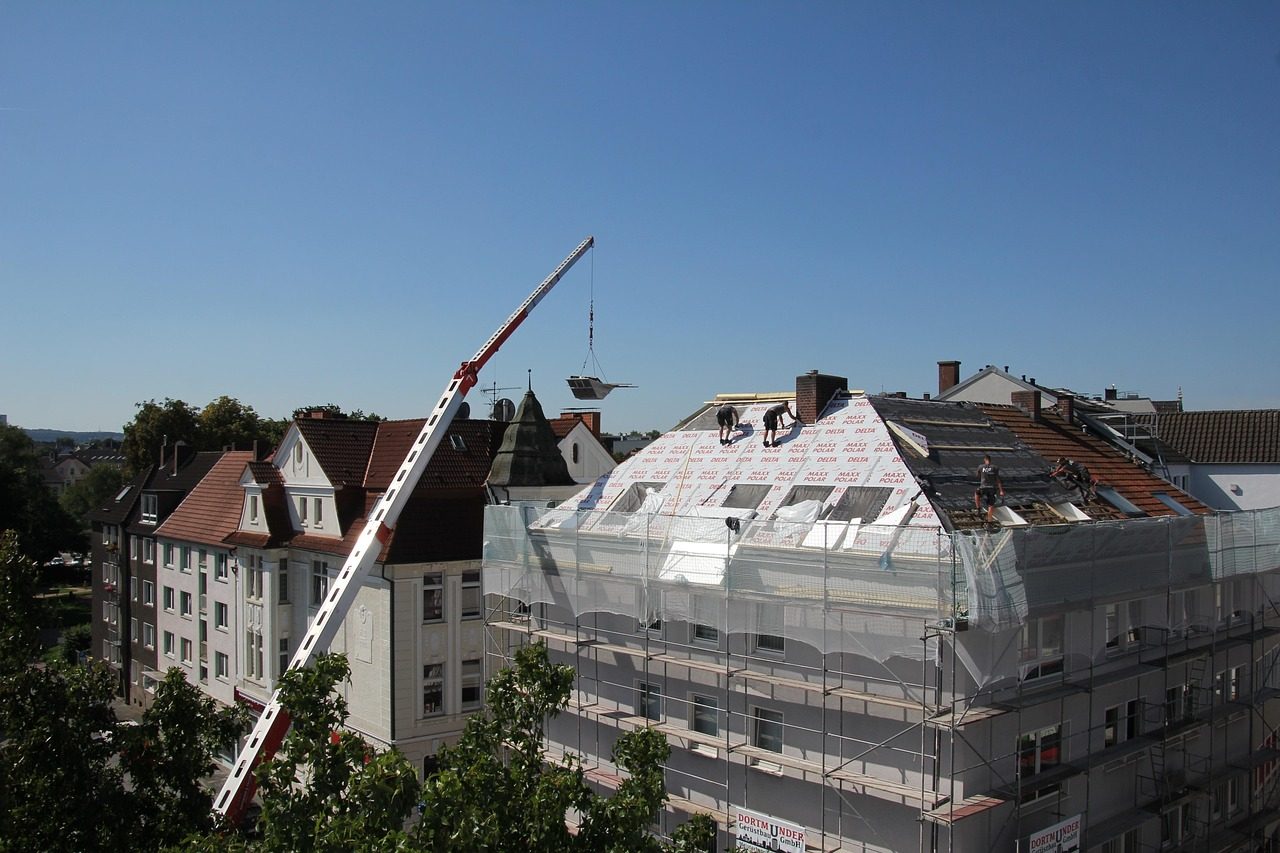
Replacement cost is the estimated cost of replacing a component, such as a roof, at the price basis used in the study. Useful life is the estimated period the component can serve. Remaining useful life is the estimated time left before replacement or major work is needed.
For a simplified component calculation, the fully funded balance represents the portion of current replacement cost associated with the life already used. The Foundation for Community Association Research's reserve report explains the underlying terminology.
These are estimates tied to condition and assumptions. A roof doesn't necessarily reach the end of its life on its twentieth birthday. The reserve professional's assessment and later updates matter.
Work through one roof example
Imagine a fictional association with just one reserve component:
Current roof replacement cost: $100,000.
Estimated useful life: 20 years.
Effective age used in the study: 10 years.
Reserve balance: $25,000.
In this simplified example, half the roof's useful life has been used. Half of the $100,000 current replacement cost is $50,000. That is the fully funded balance for this component at this point in time.
The association has $25,000 compared with a $50,000 fully funded balance. Dividing $25,000 by $50,000 and expressing the result as a percentage gives 50 percent funded.
Notice the two different comparisons. The cash is 50 percent of the fully funded balance, but only 25 percent of the roof's full current replacement cost. Calling the association "halfway to paying for a new roof" would confuse those measures.
This example assumes one component and a simple age-based calculation. It leaves out inflation, investment earnings, changing condition, other components, and future contributions. It explains the ratio rather than creating a funding plan.
Association Reserves explains percent funded as the comparison between the reserve balance and fully funded balance at a given date.
Understand what changes in a real community
A real study combines components with different costs, conditions, and replacement dates. The pool surface may need work before the entrance sign. Pavement may need a maintenance treatment before eventual replacement. Some items may have longer estimated lives after recent work.
The study's total fully funded balance combines the component calculations. The percentage is not a simple average of component percentages, and it isn't a percentage of the annual operating budget.
Check whether the component list matches the association's actual responsibilities. A missing asset or a replacement estimate that no longer reflects the planned work can affect the usefulness of the result.
Also confirm that the reserve balance and fully funded balance refer to the same date. Comparing today's bank figure with a calculation prepared for a different point in time can create a misleading ratio.
Look at when the money will be needed
The next question is practical: will the association have enough available money when the scheduled work comes due?
A funding plan projects contributions and spending over time. Ask the reserve professional to explain the lowest projected balance, the work scheduled around that low point, and the assumptions supporting the plan.
Two communities with similar percentages can have very different near-term needs. One may have several major projects approaching together. Another may have recently completed its most expensive work and have a longer period to collect contributions before the next replacements.
Even an improving percentage can sit alongside an upcoming cash shortage if the spending schedule has changed. Look at the projected cash flow and current project information together.
This is why an update can be useful after substantial work, a significant cost change, or new information about component condition. Ask the professional whether the existing study still describes the community accurately.
Keep the ratio separate from compliance and safety
A percentage does not certify that a building is safe, that the association has met every legal requirement, or that a lender will approve a loan. Those questions involve other records and standards.
Florida condominium owners should review the DBPR information on structural integrity reserve studies with qualified advisers. Those requirements are distinct from a general HOA explanation of percent funded. A ratio alone cannot establish compliance.
Mortgage eligibility can also involve reserve contributions, inspections, insurance, and other requirements. Those requirements can change. Avoid treating a particular percent-funded figure as a universal lending threshold.
A practical question for the reserve professional is: "Which conclusions can we reasonably draw from this number, and which need a separate review?" That question is more useful than choosing a color for a dashboard and stopping there.
Decide what information is missing before choosing a response
If the percentage concerns the board, gather the current study, actual balances, recent project spending, and the next scheduled work. Check whether contributions assumed in the plan have actually been made.
Ask what changed. A lower balance after a planned replacement is different from a lower balance because scheduled contributions weren't made. A higher replacement estimate raises a different planning question from an accounting correction.
Possible responses depend on those facts and the association's authority. They may involve updating estimates, adjusting contributions through the proper process, or comparing project funding options. The article on special assessments and association loans explains the questions to compare before choosing a funding approach.
Online calculators can help illustrate a simplified assumption. They cannot inspect a roof, identify every component, or determine whether money can legally be used for a particular expense. Keep the actual study and professional review at the center of the decision.
Explain the result to owners without exaggerating it
Give owners the date, the reserve balance, the fully funded balance, and a plain explanation of the next major work. If a contribution change is being considered, connect it to the funding plan and follow the appropriate process.
Avoid presenting "100 percent funded" as a promise that a special assessment can never happen. New damage, unanticipated work, changing costs, and items outside the study can still affect the association.
The goal is for owners to understand what the current information supports and what the board is doing next. That conversation connects naturally with annual budget planning.
Reserve questions rarely travel alone. Pair this reading with comparing an HOA special assessment and a loan before the next funding vote.
If your board needs help organizing reserve records and coordinating the administrative work around planning, contact Ambriel Property Management to discuss your community's needs. Reserve calculations, physical evaluations, and legal requirements should be reviewed by the qualified professionals responsible for them.
If your board wants this conversation on your community's numbers, talk with Ambriel or call 1-800-416-0350.